The Molly Problem

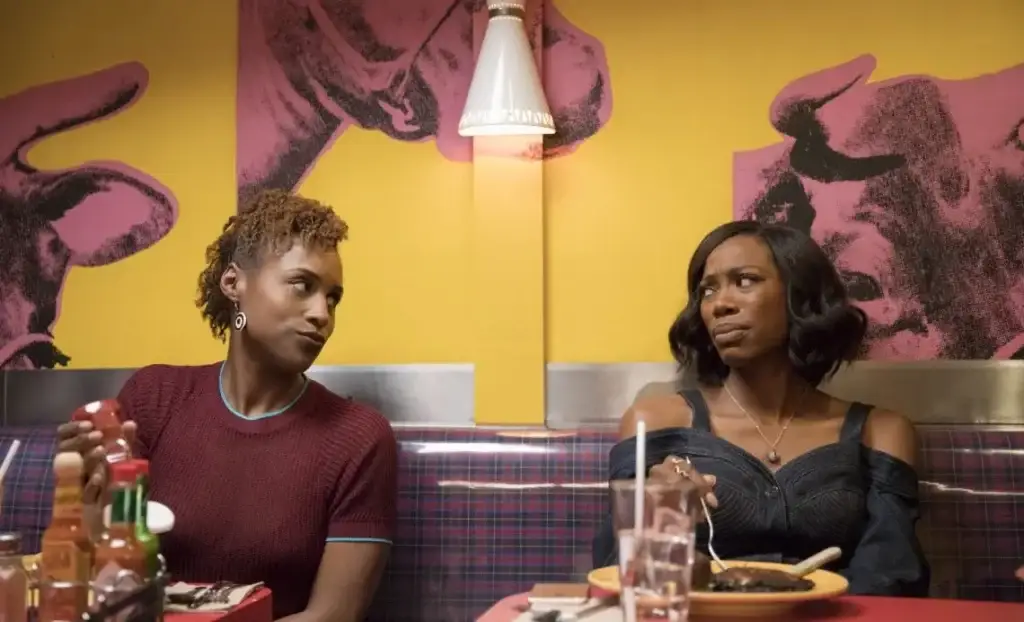
All of us know Issa Rae’s breakout Television series “Insecure.” A HBO classic that ended just under 5 years ago. Although the series has been gone for quite some time, “Insecure’s” modern take on the tribulations of its quarter-life characters has perpetuated a discussion among audiences that’s lasted far beyond the show’s production.
Upon my initial watch, I found the plot extremely relatable. Being a young adult, I saw myself in many of the characters. Issa demonstrated problems navigating friendships, Lawrence experienced trouble career-wise, and even Molly, who displayed significant relationship issues. All points that felt like they led back to me. Granted, these conflicts have been depicted on television countless times before, but this time they were portrayed through the lens of Black Americans, specifically tailored to our experiences and perspectives. The decisions of the main 3 characters were questionable at times. However, I, along with most viewers, could not help but empathize with their vices. Whether it’s happened to me or a close friend, many of the show’s plot points hit extremely close to home for its intended demographic.
I want to stress that I had a lot of grace with these characters throughout the entire series and was ultimately satisfied with the conclusions of their stories once I reached the end of season 5. However, when watching the 4th season as it released in 2020, I often went on X (formerly known as Twitter) to join in on the public discourse of the show. While I enjoyed the jokes and memes that critiqued characters and furthered discussion, I could not escape the overwhelming amount of comments discussing how insufferable Molly was.
I could not believe my eyes! So many viewers labeled Molly, played by Yvonne Orji, problematic, annoying and so much worse. As I stated earlier, every character in the show had their faults. However, as far as morality, I personally thought the other characters were on par with Molly. I particularly could not stand by some of the decisions Issa made; infidelity with Lawrence, public embarrassment towards Molly and emotional unavailability with friends. Yet my dissatisfaction with Issa was nowhere close to the ridicule Molly faced online. Keeping that in mind, why do supporting characters so often get a bad rep in comparison to their main character counterparts? Should the writers prevent this from happening or will the audience’s approval always be skewed in favor of the main character?
Many casual viewers fail to realize that the purpose of supporting characters is often to create conflict within a story’s plot. Even well-received supporting characters such as “Abbott Elementary’s” Barbara or “The Bear’s” Sydney challenge the main character’s views and actions to contribute to their overall growth. While Issa exemplifies great characteristics such as determination, perseverance, and open-mindedness, without Molly, Issa’s poorer qualities, such as naivety, rashness, and poor decision-making, go unchecked. Not to mention the monetary support Orji’s character provides for Issa as well. Though this does not grant immunity for Molly, it could provide some insight into her character’s actions.
This could be a classic example of Protagonist Bias, a bias that occurs when viewers are more likely to resonate with the main character of a story due to various variables. This includes but is not limited to the increased screen time of the protagonist in comparison to other characters, unreliable first person narration, emotional focus on main characters, and much more, all of which contribute to a more involved understanding between the Protagonist and their audience. What seems to be at play more than anything in “Insecure” is the mere-exposure effect. The American psychological association defines this phenomenon as “[showing] an increased preference (or liking) for a stimulus as a consequence of repeated exposure to that stimulus.” Frequent exposure to Issa contributes to her likeability and a better understanding of her complex emotional growth.
This is what is missing for Molly. Although she is the main supporting character of the show her inner thoughts are rarely displayed on screen. The show’s writers interpret Issa’s inner turmoil through hyper realistic daydreams and intimate bathroom freestyles, which allow the audiences to witness her thinking and justify pettier decisions. Conversely with Molly, none of that is reflected on screen causing audiences to feel dumbfounded observing her opinions and actions.
For example, when Molly confronts Issa about using her significant other as means to help land talent for Issa’s block party. To the majority of the audience this is seems like a vindictive decision, however we do not get the opportunity to see if this decision is truly malicious or not. The lack of insight on Molly’s character leaves the audience devoid of her growth. When she does make a mistake it comes off extremely counterintuitive, when in reality her character has been evolving for the better throughout the entire series. This is the case for many side characters across television and movies alike. While supporting roles are essential pillars to most plots, if their inner world is omitted to viewers the functionally and likeability of their character often comes off as obsolete.
